Top 10 Pre-Trip Inspection Checks for Fleet Trucks
Pre-trip inspections are a foundational practice for fleet operations, serving as a systematic review of a vehicle’s condition before it embarks on any journey. In the context of commercial trucking, these inspections are not merely procedural formalities but are integral to maintaining operational continuity and safeguarding all road users. By conducting a thorough examination of critical components, fleet managers and drivers can identify potential issues that might otherwise lead to costly downtime or hazardous situations. The process involves a methodical walk-around and internal checks, guided by regulatory standards and practical experience. While technology has introduced advanced diagnostic tools, the fundamental principles of visual and auditory inspection remain indispensable. This article outlines the top ten checks that form the backbone of an effective pre-trip routine, focusing on areas that are most prone to wear and tear or failure.
For fleet operators, the importance of consistent pre-trip inspections extends beyond immediate safety concerns. It also influences operational efficiency, insurance considerations, and compliance with federal and state regulations. By establishing a standardized checklist, fleets can ensure that every vehicle is held to the same high standard of readiness. Furthermore, documenting these inspections creates a historical record that can be valuable for maintenance planning and trend analysis. In the following sections, we will explore each of the ten critical inspection points, providing contextual information that helps explain their purpose and the methods typically employed to evaluate them. This guidance is meant to inform and support fleet personnel in developing a robust inspection culture, recognizing that the ultimate goal is to foster reliability and safety through proactive care.
Brake System Inspection
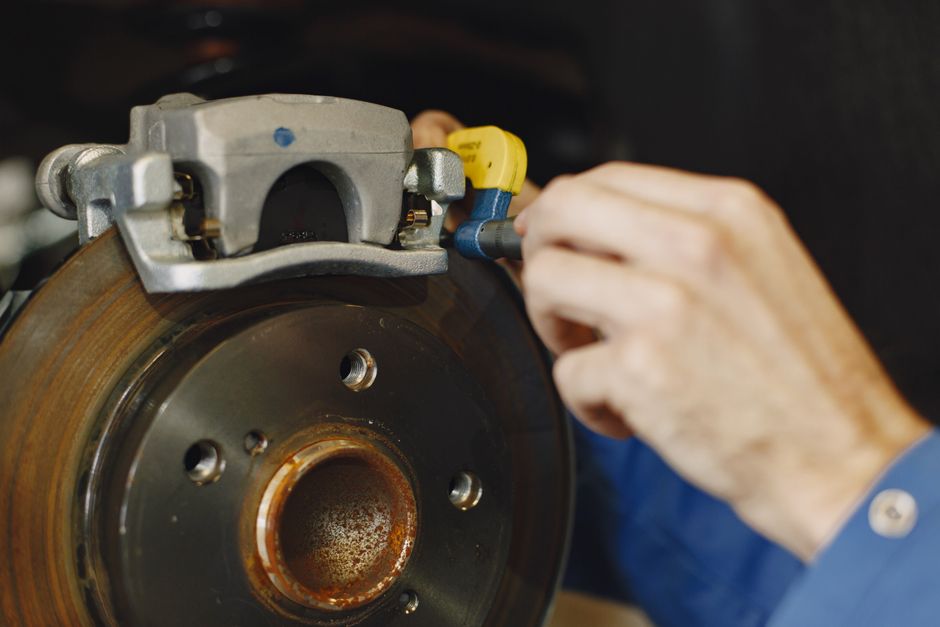
The braking system is arguably the most safety-critical component of any commercial vehicle. A thorough pre-trip inspection begins with an assessment of the air brake system, including air compressor, reservoirs, and brake chambers. Drivers should check that the air pressure builds to the recommended level within a reasonable time, typically 120 psi, and that there are no audible leaks. A visual inspection of the brake pads, shoes, and drums is necessary to ensure adequate friction material remains and that there are no cracks or signs of overheating. For hydraulic systems, the master cylinder fluid level and condition should be verified, and for trailers, the operation of the breakaway system must be tested. It is also important to conduct a rolling test by slowly moving the vehicle and applying the brakes to confirm they engage smoothly and evenly. Any irregularities detected during these checks warrant immediate attention before the vehicle is cleared for service.
In addition to physical components, the functionality of the anti-lock braking system (ABS) should be verified through the dashboard indicator. The ABS light should illuminate briefly during startup and then go off, indicating that the system is operational. If the light remains on, it signifies a potential malfunction that requires diagnostic evaluation. Fleet operators often integrate brake inspection into their maintenance software, but the daily visual and functional check remains a driver’s responsibility. By consistently performing these inspections, drivers contribute to the prevention of brake failures, which are a leading cause of heavy vehicle accidents. Given the complexity of modern braking systems, any doubt about their condition should prompt a referral to qualified technicians for proper assessment.
Tires, Wheels, and Rims
Tires are the only contact point between the vehicle and the road, making their condition pivotal for traction, handling, and fuel efficiency. The pre-trip inspection of tires involves checking air pressure, tread depth, and overall condition. Proper inflation is critical because both under-inflation and over-inflation can lead to premature wear, reduced performance, and increased risk of blowouts. The manufacturer’s recommended pressure can be found in the owner’s manual or on a placard located in the driver’s door jamb. Tread depth should be sufficient to maintain grip, especially in wet conditions; a simple test using a penny or a tread depth indicator can provide a quick assessment. Also, inspect the sidewalls for cuts, bulges, or other damage that could indicate structural weakness. The rims and wheels must be free of cracks, corrosion, or bent flanges, and all lug nuts should be present and tightened to the correct torque. A missing or loose lug nut can lead to wheel separation, a severe hazard. By paying attention to these details, drivers can identify potential tire issues before they escalate into emergencies on the highway.
Fleet managers often enforce a policy of regular tire rotation and replacement based on wear indicators, but daily checks are essential for catching intermittent problems. The use of tire pressure monitoring systems (TPMS) can assist in real-time monitoring, but they do not replace the need for a physical inspection. Additionally, the spare tire, if present, should be included in the inspection, as it may be needed in an emergency. Ensuring that all tires, including spares, are in good condition contributes to overall fleet reliability. By incorporating tire inspections into the daily routine, fleets can reduce the likelihood of roadside breakdowns and extend the lifespan of their tires, resulting in cost savings and enhanced safety.
Lights and Electrical Systems
Properly functioning lights are vital for visibility and communication with other road users. A comprehensive inspection covers all exterior lights, including headlights, taillights, brake lights, turn signals, hazard lights, and clearance lights. Each light should be checked for operation, brightness, and proper color. In addition to bulbs, the lens should be clean and free of cracks or moisture, which can diminish light output. The electrical wiring and connectors should be examined for signs of fraying, corrosion, or loose connections, as these can cause intermittent failures. For vehicles with trailers, verifying the electrical connection between the tractor and trailer is essential; a poor connection can lead to malfunctioning lights on the trailer, which is a safety concern. The battery and charging system should also be assessed, as a weak battery can lead to starting issues and electrical failures. Checking the battery terminals for corrosion and ensuring the battery is properly secured and charged are part of a thorough inspection.
The use of reflective tape and markings is regulated for commercial vehicles, and their presence and condition should be verified to ensure compliance. Drivers can perform a simple test by engaging the parking brake and walking around the vehicle to visually confirm that all lights are functioning. It is also advisable to check the dashboard warning lights during startup; any illuminated warning, such as the check engine light, should be investigated. By maintaining a high standard of lighting and electrical integrity, fleets can enhance their visibility and reduce the risk of accidents, particularly during night operations. A systematic approach to electrical checks helps in identifying issues early, preventing more significant electrical problems down the line.
Fluid Levels and Leaks
Maintaining proper fluid levels is essential for the mechanical health of the vehicle. The pre-trip inspection should include checking engine oil, coolant, windshield washer fluid, power steering fluid, brake fluid, and transmission fluid, as applicable. Each fluid should be at the recommended level and show no signs of contamination. For engine oil, the dipstick should indicate the correct level, and the oil should appear clean and not overly dark or gritty. Coolant levels should be checked with the engine cool to avoid burns, and the condition of the coolant should be clear and free of debris. Leaks are a common issue that can lead to low fluid levels and subsequent damage. Therefore, it is important to inspect the ground under the vehicle for any puddles or stains that might indicate a leak. Common leak points include the engine, radiator, hydraulic hoses, and connections. If a leak is detected, it should be addressed immediately to prevent further loss of essential fluids.
Additionally, the condition of belts and hoses should be part of the fluid inspection process, as a worn belt or cracked hose can cause leaks or mechanical failure. Drivers should look for cracks, fraying, or looseness in belts, and hoses should be firm without bulges or soft spots. By ensuring that all fluid levels are adequate and that the associated components are in good condition, fleets can minimize the risk of breakdowns and costly repairs. Regular checks also allow for the early detection of potential issues, such as coolant contamination, which may indicate internal engine problems. Incorporating these checks into the daily routine contributes to the overall reliability of the fleet.
Engine and Mechanical Components
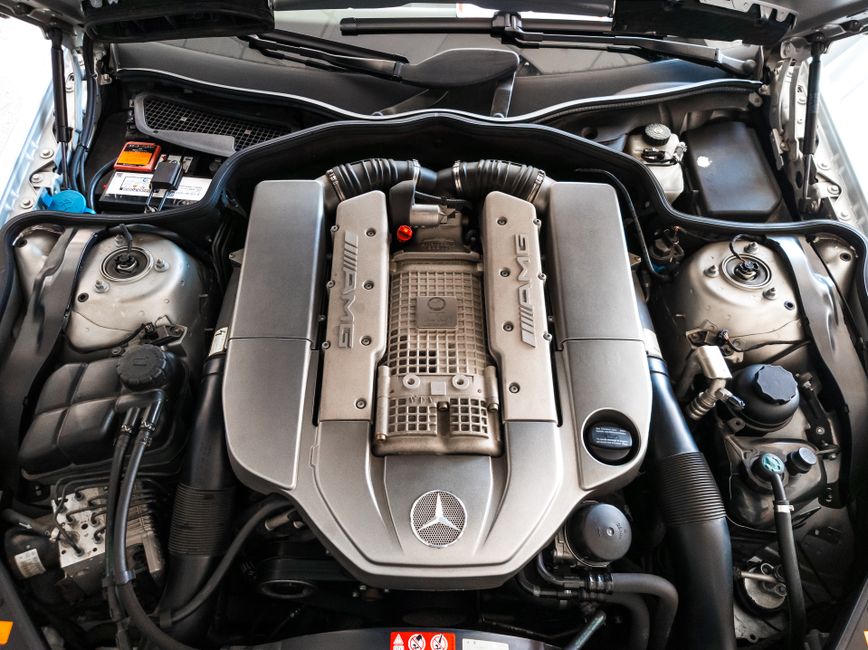
The engine and related mechanical systems form the heart of the vehicle, and their inspection is crucial for performance and longevity. Before starting the engine, drivers should visually inspect the engine compartment for any signs of leaks, loose belts, or disconnected hoses. Checking the engine oil level and coolant level again, even if done earlier, ensures that no sudden drops have occurred. Once the engine is started, attention should be paid to unusual noises, vibrations, or smoke emissions, which can indicate underlying issues. The exhaust system should be examined for leaks, and the emission control systems should be functioning properly. The cooling system’s operation can be verified by monitoring the temperature gauge during warm-up; it should reach the normal operating range and remain stable. Additionally, the steering system, including the power steering fluid and components, should be checked for smooth operation and any signs of looseness or play. Suspension components, such as shocks and bushings, should be inspected for wear and damage, as they affect ride quality and control.
Performing a comprehensive engine inspection helps identify potential problems before they become major failures. For fleet vehicles that operate on demanding schedules, this proactive approach is essential for minimizing downtime. It is also important to ensure that all fluid caps are securely tightened and that the engine air filter is clean and not obstructed. By attending to these mechanical details, drivers can contribute to the efficient operation of their vehicles and reduce the likelihood of unexpected breakdowns. Regular maintenance, guided by the pre-trip inspection, is a cornerstone of fleet management that promotes reliability and safety.
Safety Equipment and Documentation
Beyond the mechanical aspects, a pre-trip inspection must also verify that all necessary safety equipment and documentation are present and accessible. This includes a fire extinguisher that is charged and secured, reflective triangles or other warning devices, and a first-aid kit if company policy requires it. The vehicle should also have a spare fuses, a flashlight, and any other emergency tools specified by the fleet. Additionally, all required documentation, such as the vehicle registration, insurance, and inspection stickers, should be current and properly stored. For vehicles carrying hazmat, the appropriate placards must be displayed, and the driver must have the required paperwork. These items may seem minor, but their absence can lead to fines or jeopardize safety in an emergency. Ensuring that all safety equipment is in place and functional is a basic yet vital part of the pre-trip routine.
Drivers should also verify that the vehicle’s horns, wipers, and mirrors are functioning correctly. The wash fluid should be filled, and the wiper blades should be in good condition to maintain visibility during inclement weather. Mirrors should be adjusted for optimal visibility and free of cracks or damage. These checks are often overlooked but are essential for safe operation. By incorporating a review of safety equipment and documentation into the pre-trip inspection, fleets can ensure compliance with regulations and promote a culture of preparedness. This practice not only protects the driver and the vehicle but also contributes to the overall safety of the road.
Conclusion
A comprehensive pre-trip inspection is a critical routine that supports the safety and reliability of fleet operations. By focusing on the ten key areas outlined—brakes, tires, lights, fluid levels, engine mechanics, and safety equipment—fleet personnel can identify and address potential issues before they compromise safety or lead to downtime. The process is systematic, and each check is grounded in practical experience and regulatory standards. Consistency in performing these inspections is vital; a checklist should be used every time, and any findings should be documented and addressed promptly. While technology such as telematics can provide additional insights, the human element of inspection remains invaluable. Ultimately, the goal of a pre-trip inspection is not to guarantee an incident-free journey but to minimize the likelihood of failures by taking proactive measures. By integrating these practices into daily operations, fleets can foster a culture of safety and reliability that benefits all stakeholders.