How to Extend the Life of Your Diesel Engine
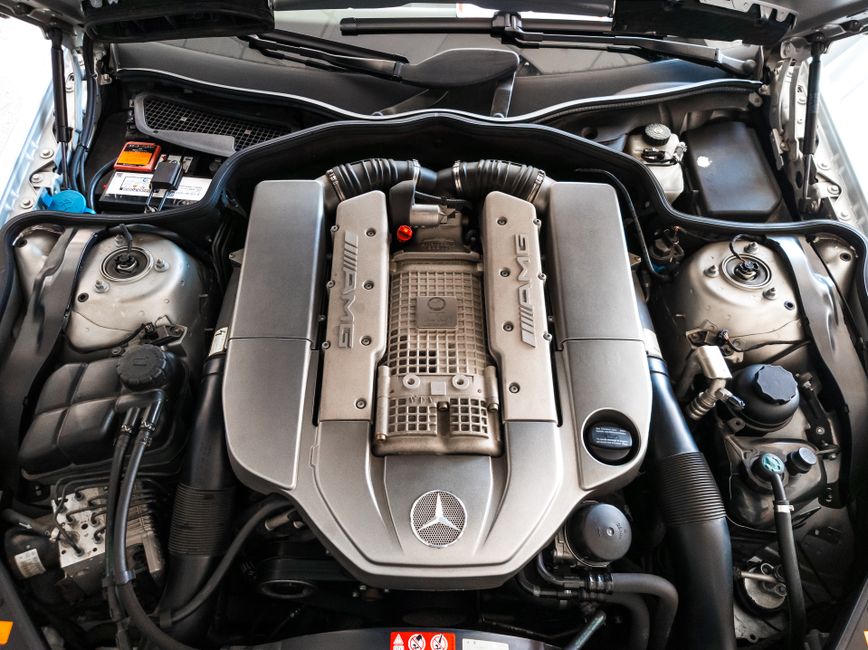
Diesel engines are known for their durability and long service life, often exceeding the lifespan of gasoline engines. However, their longevity is not automatic; it depends on consistent and proper maintenance. For fleet operators and individual owners alike, understanding the fundamentals of diesel engine care can help prevent premature wear and ensure reliable operation over many years. This article outlines key maintenance practices focused on oil changes, coolant maintenance, and fuel system care, providing a process-oriented approach to extending the life of your diesel engine.
Regular maintenance is not merely a recommendation but a necessity for diesel engines. Unlike gasoline engines, diesel engines operate under higher compression ratios and extreme temperatures, placing greater demands on lubricants and cooling systems. The quality and condition of engine oil, coolant, and fuel directly influence engine components’ wear rates. By adhering to a structured maintenance schedule and using appropriate products, owners can minimize the risk of unexpected failures and maximize the engine’s useful life. The following sections delve into each critical area, offering practical guidance based on industry best practices.
The Role of Engine Oil in Diesel Engine Longevity
Engine oil serves multiple functions in a diesel engine: it lubricates moving parts, reduces friction, absorbs heat, cleans internal surfaces, and neutralizes acids formed during combustion. Over time, oil degrades due to heat, contamination, and the accumulation of soot and particulates, especially in diesel engines. Therefore, regular oil changes are fundamental to preventing premature wear and maintaining engine health.
The frequency of oil changes depends on several factors, including engine manufacturer recommendations, operating conditions, and oil quality. Severe conditions such as frequent short trips, heavy loads, extreme temperatures, or dusty environments may require more frequent changes. It is advisable to consult the owner’s manual for the vehicle or equipment and to consider oil analysis as a tool to determine optimal change intervals. Oil analysis can reveal the presence of contaminants and wear metals, helping to identify potential issues before they escalate.
Selecting the correct oil type is equally important. Diesel engines typically require heavy-duty oils that meet specific API (American Petroleum Institute) service categories, such as CK-4 or FA-4, which are designed for modern diesel engines with exhaust aftertreatment systems. Using the right viscosity grade, such as 15W-40 or 5W-40, as recommended by the manufacturer, ensures proper flow and protection across temperature ranges. It is also essential to choose oils with adequate additive packages, including detergents and dispersants, to keep the engine clean and protect against wear.
Coolant Maintenance: Safeguarding Against Overheating and Corrosion
The cooling system is crucial for regulating engine temperature and preventing overheating, which can cause severe damage to cylinder heads, gaskets, and pistons. Coolant, a mixture of water, antifreeze, and additives, not only transfers heat but also protects the engine from corrosion and freezing. Maintaining the proper coolant level and condition is a key aspect of diesel engine care.
Over time, coolant can become contaminated with rust, scale, and other debris, and its additives can deplete, reducing its effectiveness. Regular coolant changes are necessary to replenish these additives and remove harmful contaminants. The interval for coolant replacement varies by manufacturer, but a common recommendation is every 2 to 3 years or 100,000 miles, whichever comes first. However, severe service conditions may necessitate more frequent changes. It is also important to use the coolant type specified by the manufacturer, such as Extended Life Coolants (ELC) or Organic Acid Technology (OAT) coolants, which offer extended protection.
In addition to periodic changes, routine inspection of the cooling system is vital. Check the coolant level when the engine is cold, and inspect hoses, belts, and the radiator for signs of cracks, leaks, or wear. Maintaining the correct coolant-to-water ratio (typically 50/50) ensures proper freeze and boilover protection. Using distilled water in the mixture can prevent mineral deposits that could clog the system. Allowing the engine to warm up properly before heavy loads can also reduce thermal stress on the cooling system.
Fuel System Care: Protecting Fuel Quality and Injector Efficiency
The fuel system in a diesel engine is highly sensitive to contaminants and poor fuel quality. Modern common-rail injection systems operate at extremely high pressures and rely on precise fuel delivery for efficient combustion. Water, dirt, and particulate matter can damage injectors, fuel pumps, and other components, leading to decreased performance and premature engine wear.
To protect the fuel system, it is essential to use high-quality diesel fuel from reputable sources and to maintain fuel filters regularly. Diesel fuel filters are designed to remove contaminants and water before they reach the engine. Clogged or water-saturated filters can restrict fuel flow, causing engine performance issues and potentially leading to injector damage. Replacing fuel filters at the intervals specified by the manufacturer, typically every 10,000 to 15,000 miles, is a preventive measure that helps ensure consistent fuel delivery.
Another aspect of fuel system care is managing fuel storage and handling. If you store diesel fuel for prolonged periods, it can degrade, leading to microbial growth (algae) and sediment formation. Using fuel additives that contain biocides or stabilizers can help prevent microbial contamination. Additionally, draining water from fuel water separators on a regular basis is a recommended practice. Some engines are equipped with fuel heaters, which can help prevent fuel gelling at low temperatures, but proper winter fuel blends are also important.
Injector condition is another critical factor. Fuel delivery to the cylinders must be precise, and any disruption can affect combustion and create soot, which can contaminate the oil and contribute to wear. Performing regular fuel system maintenance, such as cleaning and calibration of injectors, can help maintain optimal performance, though this is typically a service that requires professional equipment.
Systematic Maintenance: A Process-Oriented Approach
Extending the life of a diesel engine is not a single action but a continuous process that involves a comprehensive maintenance plan. This plan should include regular inspections of all systems, including oil, coolant, and fuel, as well as the air intake and exhaust systems. The air filter is also vital, as unfiltered air can carry abrasive particles into the engine, accelerating wear. Replacing air filters at recommended intervals helps maintain proper airflow and prevent contamination.
A systematic approach also involves monitoring engine performance and addressing any warning signs promptly. Unusual noises, excessive smoke, reduced power, or increased fuel consumption may indicate underlying issues that, if ignored, could lead to more significant damage. Installing a telematics system or using diagnostic tools can assist in tracking key indicators and scheduling maintenance proactively.
Furthermore, operator habits play a role in engine longevity. Avoiding excessive idling, allowing the engine to warm up gently, and using the proper gear can reduce stress on the engine. Following a structured maintenance schedule, based on manufacturer guidelines and adjusted for real-world operating conditions, is the most effective way to prevent premature wear and maximize the engine’s lifespan.
Diesel engines are built to last, but their durability is only realized through diligent and consistent maintenance. Each component—oil, coolant, and fuel—plays a vital role in preventing wear, and attention to their condition is the cornerstone of a long engine life.
In summary, the longevity of a diesel engine is influenced by a combination of regular maintenance practices and mindful operation. Oil changes, coolant maintenance, and fuel system care are the pillars of preventive maintenance. By integrating these practices into a comprehensive program, owners can significantly reduce the risk of premature wear and enjoy dependable performance for many years. It is always recommended to consult the engine manufacturer’s maintenance guidelines and professional expertise to tailor a schedule to your specific vehicle and operating conditions.